
Essential details
MOQ:5
Shipping:Express delivery
Product Introduction
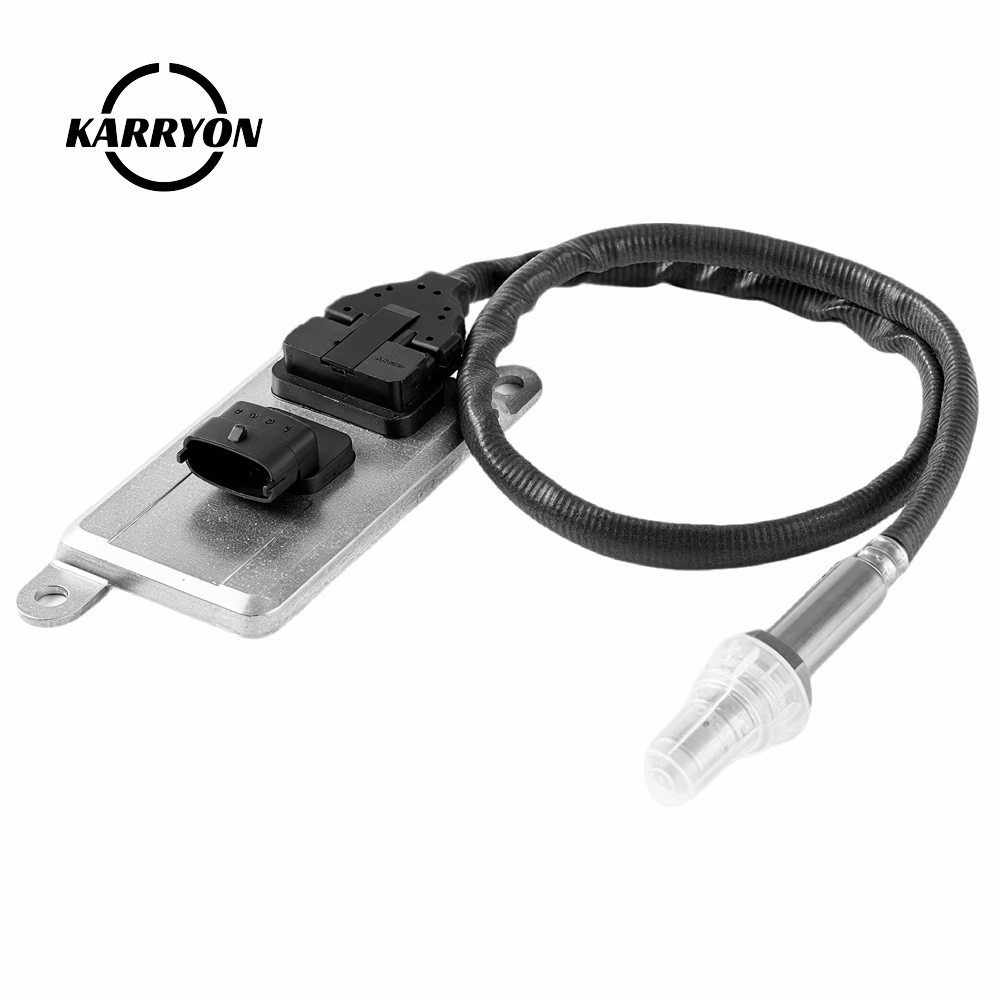
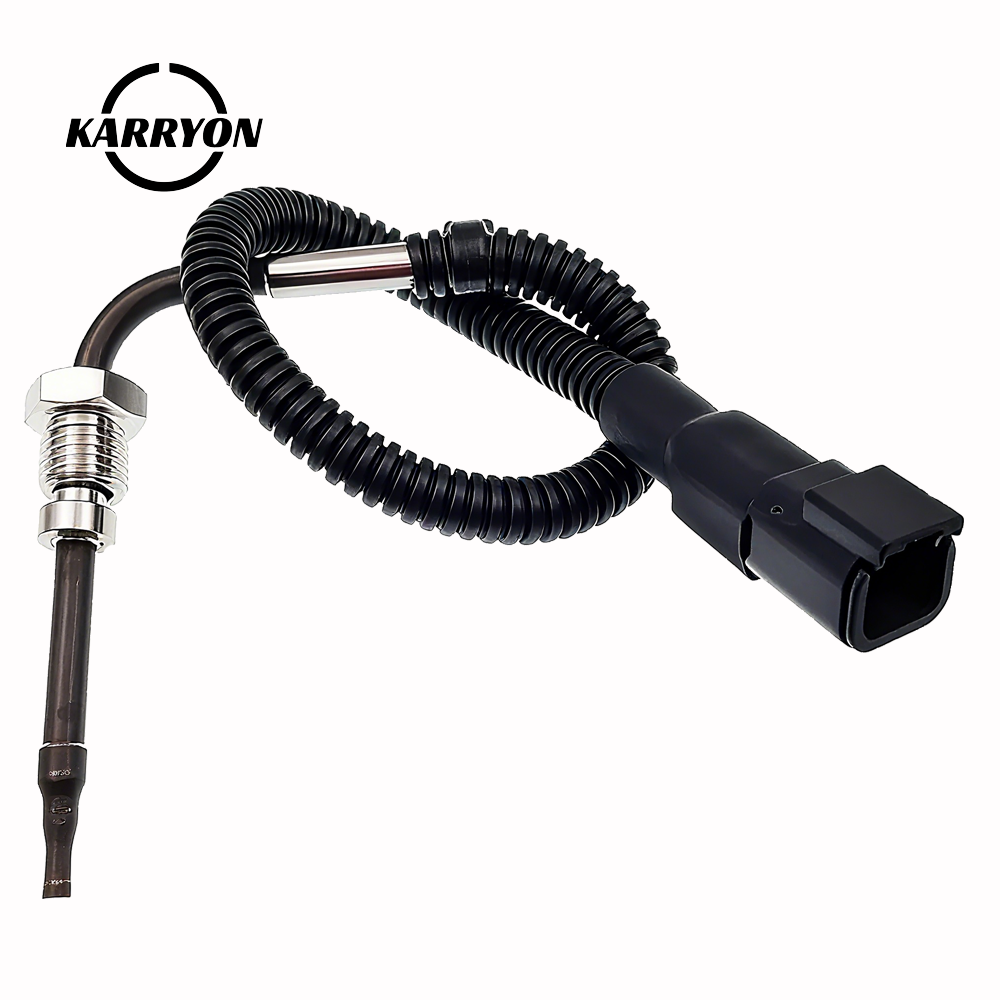
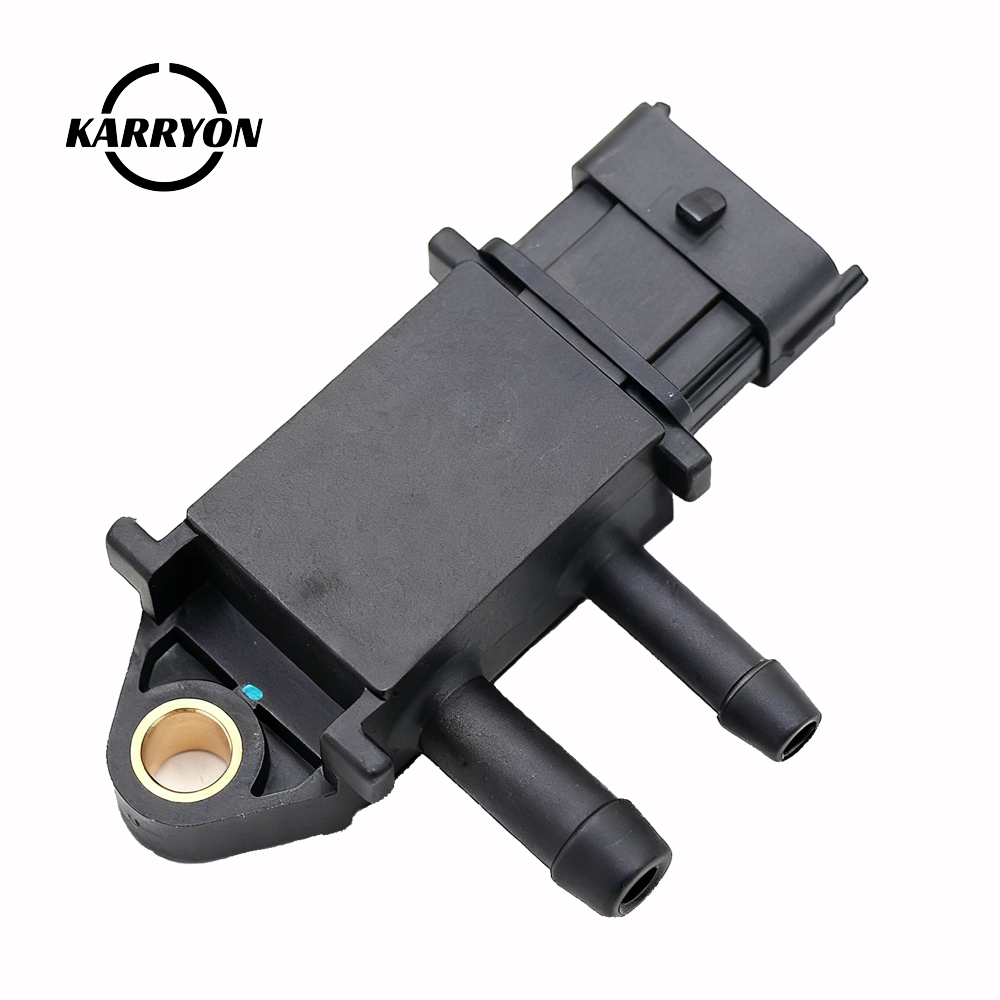
NOx Sensor, Exhaust Temperature Sensor, Pressure Sensor


NOx Sensor FAQ (EU & US Markets)
Regulations & Compliance
Q: What regulations apply to NOx sensors in EU and US?A: EU follows Euro 6d/Euro 7, ECE R155 and RDE rules. US complies with EPA & CARB standards, plus strict OBD and durability requirements.
Q: Can EU and US NOx sensors be interchanged?A: No. They differ in wiring pins, communication protocols, voltage and calibration. Match OEM part numbers strictly.
Installation & Calibration
Q: Is calibration required after replacement?A: Most EU models need professional coding and reset. Newer US heavy-duty vehicles also require OBD monitoring reset.
Q: Any key installation tips?A: Torque to 45–55 Nm. Apply high-temperature anti-seize compound (avoid sensor probe). Secure wiring against water and abrasion.
Troubleshooting & Common Issues
Q: What are typical fault codes?A: P2201 (circuit error), P2209 (heater failure), P229F (unreliable signal), P204F (low SCR efficiency).
Q: Why do sensors fail easily in cold regions?A: Low temperature, short trips, road salt and moisture cause carbon buildup, crystal deposition and connector corrosion.
Q: How does DEF/AdBlue affect the sensor?A: Use only ISO 22241 compliant fluid. Poor-quality fluid leads to probe contamination, signal drift and permanent damage.
Service & Lifespan
Q: What is the standard service life?A: EU: 150,000–250,000 km. US: 300,000–600,000 miles. Harsh conditions will shorten service life greatly.
Q: What restrictions occur when the sensor malfunctions?A: EU vehicles get a driving distance limit before engine lockout. US vehicles trigger warning, torque reduction, speed limit and eventual lockout.
Q: Are certifications mandatory?A: Yes. EU requires CE, ECE certifications; US needs EPA and CARB approval. Non-certified parts fail inspection.


